Travel Business Insider: How to Actually Sleep on Long Haul Business Flights?
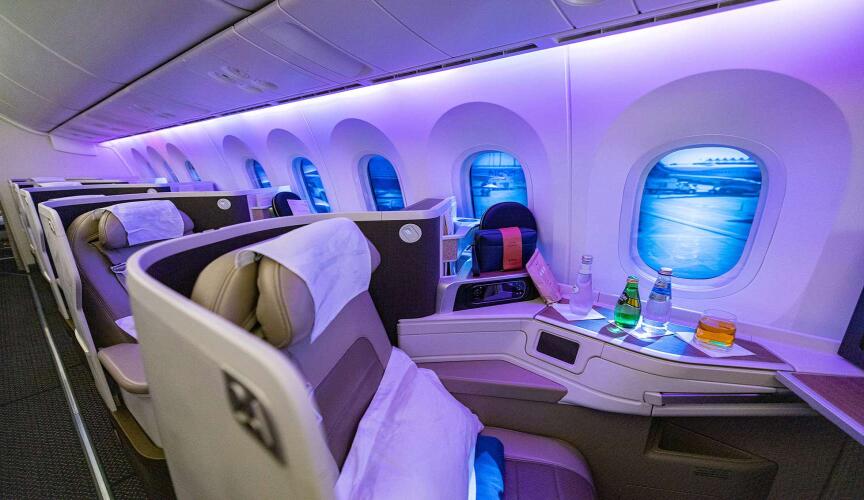
Business class on long flights is supposed to fix that “I never sleep on planes” problem. Lie-flat seats. More space. Less noise. Better service. But countless travelers still end up groggy and grumpy, because sleeping in business class feels like gambling instead of strategy.
Passengers oversleep or underestimate jetlag. They cram too much activity and entertainment into flights (full dinner, movies, cocktails, snacks, then try to sleep for 90 minutes). Then wonder why they never fully power down.
Want to know how to sleep on planes? Aim for simplicity. Build your routine around these three things:
- Timing (including destination time zone)
- Consistent sleep “setup” you bring to every flight
- Avoiding dozens of tiny decisions that shave minutes off sleep quality
What follows is a quick-and-dirty, jargon-free playbook you can use on any long-haul business class flight.
Step 1: Decide What “Success” Looks Like before You Board the Plane
Pick just one of these goals before you board, and everything you do onboard changes:
- You want to sleep right after takeoff: Best for overnight flights where you want 4-7 uninterrupted hours of sleep
- You want to bank split sleep: Good for ultra-long flights (think 10-16 hours) where you split sleep into two chunks
- You want to wake up ready to stay awake: Important if you land during the day and need to “function” at your destination
Picking more than one means you probably won’t nail any of them.
One simple rule repeated by travel medicine doctors is syncing your light, sleep, and meal schedule to your destination time zone as much as possible.
Step 2: Plan Sleep Around Destination Time, Not Airplane Time
This is probably where the average traveler sees the biggest gains.
Stop asking, “What time will dinner be served?” Instead:
- “Will it be nighttime where I’m landing during this flight?”
- “Should my body think it’s bedtime right now?”
If your destination is asleep while you’re flying, sleep should be your priority. If they’re awake when you’re flying, it’s fine to take a “cat nap”, but longer sleep can come with side effects when you land.
A lot of veterans even organize their entire flight around destination meal times vs. airline schedules.
Step 3: Hit Sleep “Wins” before Your Flight Even Begins
Get ahead with the tools business class provides.
Eat before boarding if you need to sleep after takeoff
Never let dinner service be your bedtime routine. Many long-haul flyers eat a solid meal in the airport or lounge before boarding ready to sleep as soon as the seat flips down.
Why? You avoid the bright cabin lights/busy cabin period right after takeoff. Don’t eat big food right before bed. And hit the hay while everyone else is still passing by your seat.
Don’t sit perfectly still for hours before your sleep time
Move around a little before boarding and do some stretches. Makes it easier to relax later.
Dress for sleep, not for photo bombs
Cabins heat up, then cool down, then heat up again. Wear layers you can add or peel based on temperature. Also, comfortable clothing means easier to relax.
Step 4: Create a Sleep Kit You Can Use on Every Flight (Yes, Even in Biz Class)
Business gives you amenity kits and some bedding. Use those, but go one step further before every flight:
- Eye mask (preferably blackout)
- Ear plugs or noise canceling headphones
- Lip balm + lotion (planes are dry!)
- Socks (helps some people sleep faster)
- A thin layer you can leave on in cold-cool cabins
Sleep experts are boring for a reason: clothing will block light and moderate temperatures. Earplugs/ headphones mean you control your audio experience. And avoiding big meals and alcohol before bed is universal advice.
Step 5: Master the “Meal vs Sleep” Tradeoff on Overnight Flights
If business class has ruined your sleep, it’s probably because you get hungry. Alcohol makes it worse.
Here’s a fact: that delicious business class dinner can cost you 2 hours of sleep.
The easiest sleep strategy on overnight flights:
- Decide before boarding: Do I eat or sleep on this plane?
- Eat before boarding if sleep is priority
- Learn to ask airline crews not wake you for meals
Crews will usually avoid waking sleeping passengers for meals, but you gotta be clear what you want.
Want the best of both worlds? Sleep after “light dinner, then bed”
- Eat a small-ish meal
- Skip dessert
- Avoid alcohol
- Hit bed ASAP after you’re settled
Be smart about timing your meal
If sleeping ASAP after takeoff is your plan, there’s nothing wrong with asking your meal be served later, or “ dining on demand” if the airline offers it. Countless travelers state they’ve successfully asked airlines to time meals around their rest plans, you just need to be polite about it.
Step 6: Learn to Fear Alcohol before Bed
Trust us on this: stay away from alcohol if you want truly restorative sleep.
Alcohol makes you sleepy feels right away. But lots of people find themselves unusually wired after sleeping with alcohol.
Want great sleep? Drink water. If it’s caffeinated tea.
Aircrew love to say this: Avoid alcohol before sleep, and time caffeine carefully if you need to both sleep well and reduce jetlag.
Step 7: Properly “Make Your Bed” before Trying to Sleep
Think turning your seat fully-reclined means bedtime? Nope.
Lie-flat doesn’t mean comfy-flat.
Fine-tune your seat position when you want to sleep
- Lie fully flat
- Adjust the pillow for neck support
- Use a blanket or duvet (it cools down later)
- Slightly angle your body if lying flat strains your back
Actual turndown beds with mattress pads and duvets are available on certain airlines and cabins. Major comfort difference if you score them.
If they give you a mattress pad, use it. If not, add a layer of blanket under you to make your own pad.
Step 8: Block Out Light to Protect Your Body Clock
Ever sleep with the lights on? Hardly.
Dim the light when you sleep.
An eyemask is great when it’s time to sleep. Avoid bright screens before sleep too.
Aligning light exposure with destination time is one of the few jet lag tips actually recommended by travel health experts.
Try to get some natural light when you land to help your body adjust.
Step 9: Power Naps Aren’t Always a “Good Idea”
Business class makes it WAY too easy to take long flights overnight.
If you’ll be flying “daytime hours” at your destination, keep naps short:
- Naps are great 20-30 minutes
- Longer naps hurt more than they help once you land
Business class makes it way too easy to take long naps that destroy your arrival day.
Step 10: Melatonin Isn’t Something to Experiment with Mid-Flight
A lot of smart travelers swear by melatonin for coping with travel schedules. Personally? Take care of that on land, before your flight.
Think about trying melatonin for the first time while you’re 35,000 feet up in the air? No thanks.
- Try it at home with a low dose first if you want to experiment
- Medically consult if you have conditions or take daily medications
Flight crews generally say the same thing about melatonin: take care of it on land, start with low doses, and know what you’re taking.
Pick the Right Seat for Sleeping in Business Class
Yes, even in business class you should care where you sit to sleep.
- Window seats: fewer disturbances
- Seats away from galleys/bathrooms: less noise/more foot traffic
- Seats with most privacy/stability (minimal bumps from service carts)
That’s why handing someone “business class” isn’t magical. Seat design and aircraft type both make HUGE differences for sleep quality. Same for bedding offerings by airline.
How TravelBusinessClass.com Can Help You Pick Business Class Seats for Sleeping
Ever paid for business class and still managed to sleep terribly? It’s not necessarily YOU. It might be your seat.
Business class seats can:
- Be dream setups for sleep
- “Work” for sleep but still feel awkward
- Look lie-flat but suffer from unexpected disturbances
Travel Business Class can teach you why seat location matters on long flights. Checking airline seat maps isn’t enough. You need to know what to look for:
- Flight routes and schedules that better align with your arrival time
- Aircraft and cabins that simply sleep better (layout matters)
- Seat locations that avoid the busiest, loudest parts of the plane when possible
We’re here to help you make sense of all that and make sure you actually get what you need to sleep well instead of chasing arbitrary “luxury”.
A Free and Awesome Sleep Cheat Sheet for Long-Haul Business Flights
Want a simple default gameplan that works on every long-haul flight? Here’s our sleep cheat sheet:
- Decide if this flight will be about “sleeping” or “experiencing”
- Think destination time for sleep + mealtimes
- Eat pre-board or keep food light if sleeping after takeoff
- Avoid alcohol before bed unless you prefer rushing jetlag
- Eyemask on, phones down, lights out
- Lie down early, stop trying to sleep “perfectly”
- Ask crew not to wake you for meals
- Get sunshine after landing according to your destination schedule
Conclusion
Sleeping on long haul flights isn’t about hacks. It’s about routines. Syncing your sleep to destination time, managing your exposure to light and noise, and taking back control from flight meal schedules.
Business class will let you sleep, if you stop fighting it.
For more practical guides like this, and for help choosing business class seats that actually support good sleep, keep an eye on the TravelBusinessClass.com blog.