Supersonic Business Travel Is Coming Back
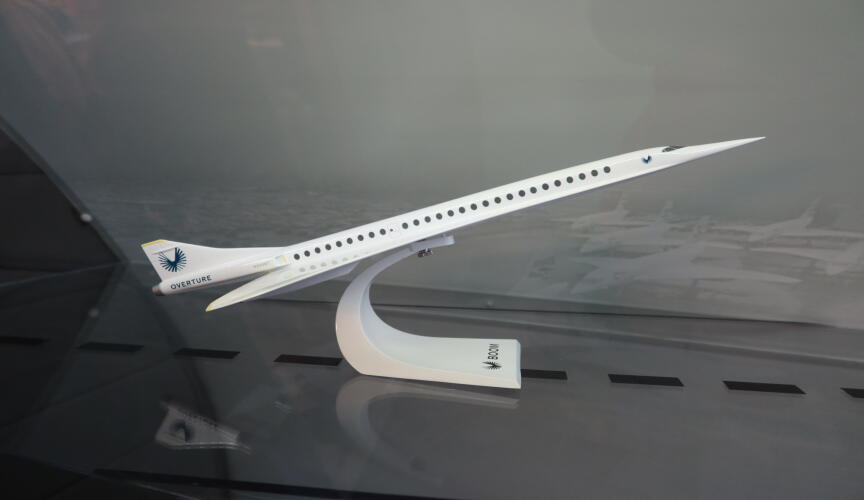
Boom Supersonic’s XB-1 demonstrator broke the sound barrier in January 2025 (first time since Concorde flew). Now Boom’s full-size airliner Overture is targeting a late‑20 Supersonic Boom ’20s debut. Design work is advancing toward cruise speeds of Mach ~1.7 (times twice today’s jet speeds) with a range of ~7,800 km. Meanwhile, NASA’s experimental X-59 “quiet supersonic” aircraft just hit Mach 1.1 minimum in June 2026, a major milestone toward certifying faster flights over land. Either way you slice it: super fast overseas flights may be returning.
Shorter Flights Mean More Time
Boom’s project page envisions today’s flight from the US to Frankfurt would take just about 4 hours 15 minutes. That would put you into London by morning and New York by lunchtime, with your whole evening to spend at your destination rather than wasting the night in your seat. If you travel for work, every minute of your day counts. Shorter flights give you less time buried in your seat, less jetlag when you arrive, and more time getting things done.
Fewer hours in the air also means you can pack more destinations, whether work or fun, into the same amount of time. If your flight is half as long, you could fly between breakfast and lunch meetings in different cities. You could visit multiple cities in one long trip (meet clients in London in the morning, fly to Dubai for dinner on the same day). Between business partners and distant relatives, supersonic flight would let you see more people in less time. Instead of losing an entire day to crossing oceans, you could add half a day to every long flight.
Supersonic Flights Are Designed for Business-Class Flyers
Supersonic aircraft are being designed for premium travelers who don’t mind paying extra. Boom, for instance, plans a 60-80 seat cabin filled with all-business-class seats aboard Overture. Put simply: the cabin will have cushy seats, but feel more like a private club. And because these manufacturers know business travelers hate trade time for money, they price their tickets accordingly. Boom quotes suggest about $5,000 for a round‑trip business-class ticket from New York to London. That’s about the same as today’s flat-bed business fares ($5,300), but far below what you’d pay on Concorde ($21,000 USD in 20 Year inflation-adjusted dollars). If Boom and others are right, then flying twice as fast won’t cost you twice as much.
Business travelers are also willing to pay extra to save time, surveys show. Analysts and airlines themselves realize that corporate flyers place a premium on every hour at 30,000 feet. One industry survey found that a strong majority of business class passengers would pay several hundred euros more to cut their flight time by half (versus economy flyers who weren’t willing to pay as much). What does that mean for you? If history repeats itself, then supersonic business-class seats might cost more than today’s fares, but give you a better value overall by virtue of being so much faster.
Ultra-fast planes will probably launch on routes like New York-London, Los Angeles-Tokyo, or San Francisco-Sydney. These city-pairs span oceans rather than fly over land where “sonic boom” restrictions are more limiting. United Airlines, American Airlines and Japan Airlines have all placed orders for Overture aircraft so far, betting that pilots will start flying them around 20 years. That lets airlines target the busiest routes where shaving off 4+ hours in the air makes the biggest difference to flyers.
Lie-flat Seats at Mach 1.7+
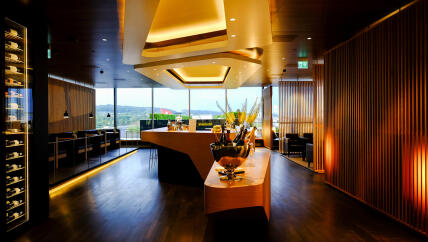
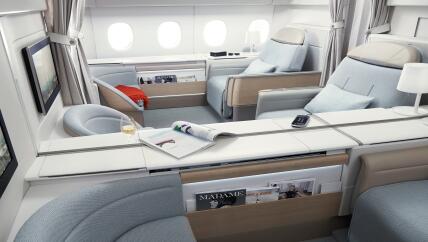
When Boom Supersonic and others sell you a seat on their fancy new planes, they won’t skimp on amenities. Onboard, expect the lie‑flat seats or suites, cabin service, and even faster Wi- Fi you’ Boom’s partner airlines directly state that supersonic flights should offer all the comfort of “a lounge in the sky.” Japan Airlines goes one step further. The carrier (a launch partner) describes reducing flight times as giving passengers “more time,” with air quotes to emphasize comfort in addition to raw convenience.
Onboard Overture will probably have only premium seats and no economy cabin. Aimed at corporations and premium leisure travelers, the layout will likely feature wide seats in a 2-2 configuration (everyone has easy aisle access). Concepts published by Boom themselves show suites or pods with sliding doors. There will be foodservice (probably gourmet), noise cancelling headsets, and high-speed onboard connectivity. Boom is even working with airlines on how best to optimize in-flight wellness: anything to help passengers arrive feeling better than when they departed. Ideas range from cabin lighting and improved air quality to adjusting seat positions and avoiding bright lights during night flights to minimize jetlag.
In sum: supersonic jets mean lie-flat beds with Champagne at twice the speed.
Book NOW for the Future of Business-Class Travel
Supersonic seats will come at a premium and be highly limited at first. But aboard today’s jets, you can still snag incredible business-class seats by planning ahead with TravelBusinessClass.com. Our team searches dozens of airlines to uncover discounted business-class fares and upgrades, so you can travel in comfort right now. And we ensure you select the ideal seat assignment too (front of the cabin? Back where the Wi-Fi connects best?), so you maximize productivity on every flight.
When supersonic flights become available, booking early will be even more important. Travel Business Class will be there to tell you the moment tickets are on sale. We know which airlines/routes will feature true lie-flat cabins (at Concorde-like speeds!) and can help you plan those once-in-a-lifetime trips. Simply put: we handle the hassles of business travel so you can focus on what matters: your meetings, whether on a Mach 1 + supersonic jet or a modern wide-body today.
Traveling twice as fast won’t just feel luxurious. For power users who fly often, supersonic flight is about gaining time back. If you can cross half the globe in half the time, you’ll spend more time with clients and less time in airports. One of our industry partners described it this way: faster flights don’t just save you time in the air, they give you “more time” back in your life to do what you want. Business travelers can use more of that these days.