How to Tell If a Business-Class Seat Is “Good” or “Bad” Before You Book
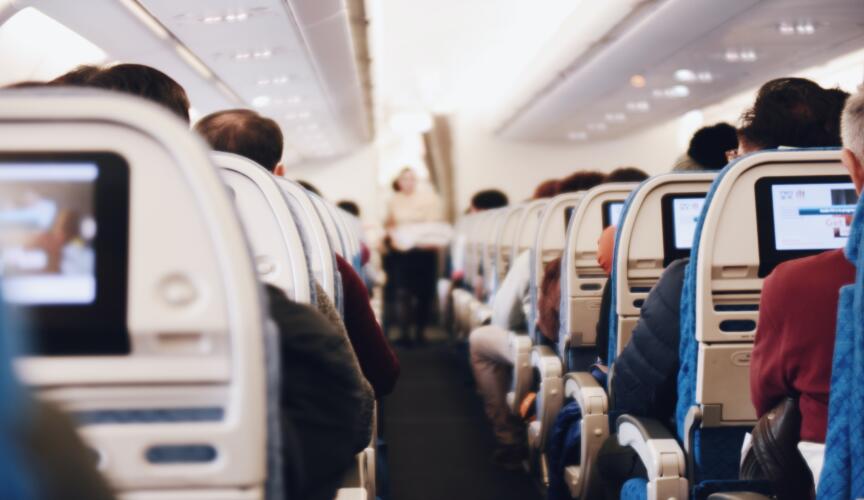
Business class is a dream when you’re used to flying economy: more room, lie-flat beds, tasty food, lounge access, even quieter cabins where you can finally relax. But not all business class seats are created equal, and many travelers complain that they paid premium prices only to end up with a subpar seat.
Luckily, there are a few telltale signs you can spot before you press “buy” that reveal whether a business-class seat is truly worth the ticket price. This quick guide highlights the main indicators of good or bad seats, so you don’t waste money and fly in comfort, not frustration.
Why Does Seat Choice Matter More in Business Class?
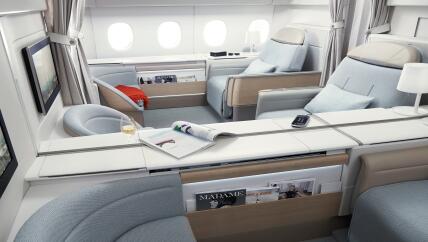
Space is a luxury in economy, but it’s a deal-breaker in business class. All cabins have a basic seat type, layout and configuration that varies a lot between airlines, and even between aircraft models. Some business seats unfold into fully flat beds, others just lean back a few inches. Some seats offer privacy and their own aisle access, others are cramped or exposed. The comfort difference is not just by airline, but by model and specific row.
That means one business-class seat can be amazing, while another on the same plane is a downgrade from premium economy. The key to both first-class and business class is knowing how to spot the good seats and planes before booking.
1. Start With the Basics: Check the Seat Type
Seat type is one of the first, most obvious indicators of a “good” business class experience.
Broadly speaking, there are a few main categories:
- Fully lie-flat seats recline flat into a bed and are the gold standard for overnight or long-haul flights. Usually allow sleeping in comfort.
- Angled lie-flat or recliner seats are better than economy, but still don’t lie completely flat. Fine for a few hours, but uncomfortable for long nights.
- Basic recliner seats are common on shorter flights or older planes and are not what you expect from business class, more like premium economy.
Good business class seats offer full flat beds or high-end pod-style seats. Bad ones are just recliners with minimal space. Always double-check the exact aircraft layout for your flight before buying that business class ticket.
2. Use the Seat Map Wisely
Seat maps are one of the most useful resources, but only if you know what to look for in a seat map.
- Check for direct aisle access: the seats that have you climb over someone or are blocked from the aisle are annoying, especially overnight. Many business cabins now use 1-2-1 or better layouts, so every seat has direct aisle access. If so, that’s a good sign.
- Avoid high-traffic rows: seats by the galleys, lavatories or near the bulkhead (front or back wall where cabin crew stacks carts) suffer more noise and foot traffic. These seats are quieter further away.
- Odd layouts: if the seats look oddly close together or the layout looks “weird” on the map, do some more research. There’s likely a reason for the odd placement, so consider using tools that color-code seats with advice on whether they are a pro or con for your flight.
3. Pay Attention to Cabin Position
Seat position in the cabin is almost as important as the seat type.
- Front of the сabin is quieter, close to food service and deplane before the back, so they’re often preferred.
- Middle of the сabin is also a good option, as they are often less noisy and have good balance.
- Seats near service areas: right next to kitchens, toilets or the bulkhead suffer noise and traffic. Even if the seat is fine, the constant interruptions make it feel worse.
4. Size and Space: The Personal Comfort Factor
Seat width, legroom (pitch) and foot space are important, especially on long flights.
Bulkhead seats often have more legroom, as they don’t have another seat in front of them. When checking seat maps, look at width, length and foot space, if the seat looks too tight on paper, it will on the plane.
Footwells vs Ottomans also make a huge difference in personal comfort. Ottomans (lift-up footrests) feel more open for sleeping.
5. Aircraft Model Makes a Difference
Not all planes are created equal. The same airline can have super luxurious pods on one plane, and older recliners on another.
Confirm the aircraft model for your flight before booking. Use airline booking pages or flight search engines that list aircraft type, then search online for the exact configuration, seats and layout for that model (Boeing 777, Airbus A350, etc.). Then you can decide if it’s worth booking. It’s common to mistake “business class” for a uniform level of service, but it changes dramatically by plane.
6. Check for Consistent Reviews and Feedback
Trust experienced travelers over airline sales pitches.
If a seat or layout keeps being raved about by serious flyers as roomy, quiet or comfortable, that’s a good sign. If there are complaints about that same row or cabin layout over and over again, that’s a red flag.
Experiences are subjective, but patterns emerge with many reviews. Plus, consistent gripes are often fixable, like a more strategic seat choice.
7. Seat Selection Timing and Strategy
Booking your seat, sometimes as soon as you book, sometimes when seat selection opens, is a smart strategy. Airlines often assign seats at check-in, but popular options sell out fast. Booking early gives you a shot at:
- Windows with privacy
- Aisle seats with direct access
- Bulkhead or premium-space rows
If you wait until check-in, it may be too late and you’ll be stuck picking from whatever’s left over. This can include less desirable, oddly-arranged or high-traffic seats.
You can even monitor the seat map regularly: airlines sometimes release premium seats closer to departure. Early check-in also helps you snap them up when they open.
8. When a “Good” Seat Is Worth Paying Extra
Airlines often charge more for specific seats inside business class, even after you’ve already bought a business class ticket. It’s true that sometimes paying a bit more for the real lie-flat seat, direct aisle access, or extra legroom is worth it. The real question is: will you actually get a significantly better seat for the premium you pay?
Splurging on a higher fee isn’t worth it if the seat isn’t genuinely better. The old advice: be sure what you’re paying for. Check the map and reviews to make sure that “extra” you pay for is really extra, not just a gimmick. This can help avoid paying to upgrade to a seat that isn’t better.
How TravelBusinessClass.com Can Help You Get the Right Seat
Picking business class seats is a hassle if you’re flying on a budget. Airline seat maps and fare class charts overwhelm even the most savvy travelers. That’s where a seat finder like Travel Business Class comes in.
Instead of randomly picking flights and hoping for the best, Travel Business Class helps you:
- Compare business class layouts across different airlines, planes and routes
- Identify flights that offer fully lie-flat seats at-a-glance
- See at-a-glance which business class planes have premium pods
- Filter searches by private features like privacy, legroom and cabin position
It’s not a site selling seats, it’s an intentional way to make your premium travel decisions more data-driven. For budget travelers, the difference between a great seat and a wasted upgrade can make all the difference.
Final Tips Before You Book
To make a final decision, here are some last-minute reminders on telling good and bad business class seats apart:
- Is the seat fully lie-flat or better than a basic recliner?
- Is it a direct aisle seat?
- Is the seat located to minimize noise and traffic disruptions?
- Is the aircraft model known for premium comfort?
- Have I read multiple reviews specifically praising that seat?
- Did I pick the seat early or keep an eye out for better releases?
Research takes time, but it can save you money and disappointment in the long run. Planes are very different after you book that business class ticket, so take the time to fly right.
Conclusion
Business class should be life-changing when you finally upgrade. But if you book blindly and ignore seat type, cabin layout, aircraft model, cabin position and real traveler reviews, you’ll pay for a bad experience in premium comfort. With the right information, you don’t just fly business class, you book the right business class.
Travel Business Class makes that research and seat selection easy, so you can focus on your flight and business travel. TravelBusinessClass.com is where smart travel meets business-class comfort.