How to Read a Seat Map without Picking a Bad Cabin
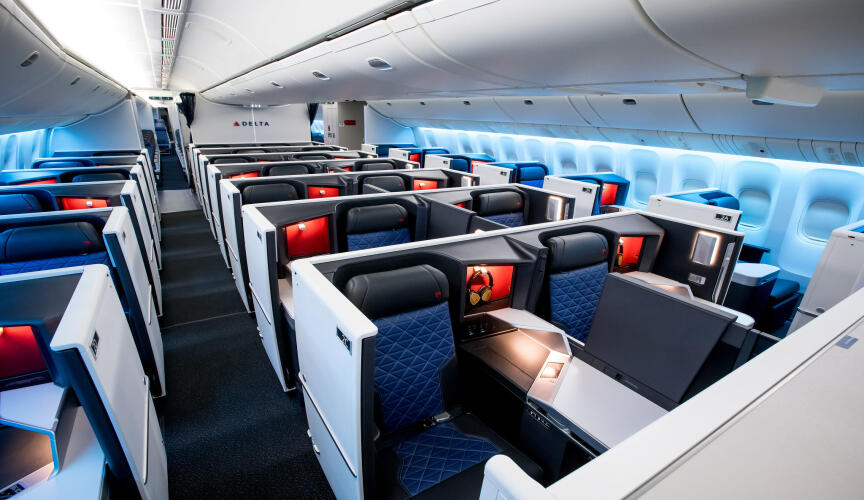
Booking a business class ticket feels like a win. Until you board the plane and realize your “premium seat” is next to the gallery, under a glowing emergency sign, or inches from a bassinet that’s about to host a restless baby for eight hours straight.
This actually happens more often that people like to admit.
And here’s the basic truth: not all business class seats are created equal. Even within the same cabin. Two passengers can pay roughly the same price, sit just a few rows apart, and have diametrically opposed experiences. One sleeps for seven hours in peace. The other spends the night dodging noise, light, and foot traffic.
This is exactly why it’s important for you to know how to read a seat map properly.
If you’ve ever found yourself staring at a seat map and thinking, “They all look the same,” this guide is for you. Let’s break down how to spot the good seats, avoid the bad ones, and understand what airlines don’t make obvious.
First Things First: A Seat Map Is Not a Cabin Map
The biggest mistake people make is they assume a seat map shows the real experience. Well, it doesn’t.
Seat maps are essentially simplified diagrams meant to sell inventory, not to warn you about things like:
- Noise
- Light
- Foot traffic
- Privacy issues
- Proximity to crew areas
In other words, a seat might look perfect on screen but turn out to be a problem seat in real life.
So, instead of asking, “Is this seat business class?” you should ask, “What’s around this seat?”
Rule #1: The Front Row Is Not the Best Row by Default
A surprising number of first-time business class flyers lock onto Row 1, thinking it’s the quietest and most private.
At times it’s true. Very often it’s not.
As the real life shows, front-row seats are frequently:
- Near the gallery where the crews prep meals and chat
- Brighter because of curtain gaps or lighting
- Baby-adjacent (yes, business class bassinets are a thing)
If you see a bassinet icon anywhere near your seat, assume there is noise. Not necessarily, but this is a reason big enough to think twice.
Consider rows slightly behind the first one, especially those buffered by another seat instead of a wall or gallery.
Window Seats: Private… or Trapped?
Window seats are anomaly the most sought-after in business class. And there’s enough reason for that:
- More privacy
- Better views
- Less foot traffic
However, layout matters.
In certain configurations (especially if it’s an older or staggered layout), window seats may as well face the aisle or require you to step over another passenger, or feel strangely exposed despite being enclosed in your own space “by the window.”
So, when reading a seat map, make sure to pay attention to whether a seat is angled or straight and how its shell lines up: either with the aisle or the window.
The best window seats are basically the ones that are angled toward the window and shielded from the aisle, not just labeled by a certain letter.
Aisle Seats: Convenient but Busy
Aisle access is great until it isn’t. You can consider an aisle seat perfect if you get up often, don’t want to climb over anyone, or are on a shorter daytime flight.
However, aisle seats that are near galleys, lavatories or crew jump sets may essentially feel like sitting in a hallway. And this doesn’t sound like business class much.
This is particularly noticeable when you’re on a longer flight, especially overnight when people stretch their legs, crew activity ramps up, and lights turn on and off.
Long story short, if you decide to choose an aisle seat, your best choice would be a mid-cabin one that’s away from service areas.
The Middle of the Cabin Is Usually the Sweet Spot
No matter what airline you choose, what route you go, or what plane you’re boarding, one thing seems to stay true: the middle rows of business class tend to be the safest bet.
Why?
- Fewer bathroom visitors
- Less gallery noise
- More consistent lighting
- Fewer people standing nearby
To make things simpler, look for a seat that’s not in the first or last row and the one that’s not next or close to a bassinet.
This may seem like boring advice, but boring seats often make for the best sleep and comfort.
Beware of “Couple Seats” if You’re Flying Solo
Some business class cabins have pairs of seats in the middle designed for couples. They’re great. But only if you’re traveling together.
If you’re not?.. Well, you may end up extremely close to a stranger, sharing a low divider, and feeling awkwardly exposed.
And the thing is that seat maps usually don’t communicate or explain this clearly enough. In most cases, all you’ll see are just two seats side by side.
So, before choosing one, make sure to:
- Look for a divider icon
- Check whether the seats face slightly inward or not
- Assume less privacy than solo window seats
If you’re a personal-space person, solo seats are light years ahead of paired ones at all times.
Exit Rows, Bulkheads, and “Special” Seats: Read Carefully
Exit rows are gold in economy class. But they’re mixed when it comes to business class.
Bulkhead and exit-row business seats may have more legroom, but fixed armrests and screens or tables in awkward positions. Sometimes they’re out-of-this-world fantastic. Sometimes they just feel oddly cramped despite the space.
If a business-class seat looks different on the map, take a pause and ask why. Usually, differences exist for a reason.
Seat Maps Don’t Show Wear and Tear
Another thing people often forget is that age matters.
Two seats that look identical on a seat map may belong to a brand-new cabin on one aircraft or to a 10-year-old interior on another.
Regularly, you won’t see such things as wobbly privacy dividers, loose controls, dim screens, and harder cushions on seat maps.
This is exactly why experienced travelers often care less about the airline logo and pay greater attention to the exact aircraft and cabin version.
Why Business-Class Seat Choice Affects Price (Even if You Don’t See It)
This is where seat maps quietly connect to ticket pricing.
Airlines always track which seats are picked first, which areas fill fastest, and which rows aren’t selling. As a result, these patterns affect pricing upgrades, award availability, and last-minute business-class deals.
So, when you spot unexpectedly cheap business-class fares, they’re often associated with things, like:
- Less desirable cabin layouts
- Seat configurations that are hard to fill
- Routes that have a consistent seat demand
When you know how to read a seat map correctly, you have a better understanding why some deals exist and which ones are actually great.
How TravelBusinessClass.com Helps You Avoid Bad Seats
Let’s be honest, most people don’t have the time (or patients, for that matter) to dig through aircraft layouts, cabin quirks, and route-specific seat issues.
This is where TravelBusinessClass.com fits in.
Instead of just finding discounted business-class fares, we focus on things like:
- Matching routes with better seat layouts
- Avoiding aircraft with known cabin disadvantages
- Flagging flights where price and comfort actually line up
In a nutshell, it’s not just about flying business class, but rather about flying the right version of it.
You get to choose your seat either way, of course. But you’re doing it with better information and less unpleasant surprises.
Final Takeaway: All Business Class Isn’t Equal, but That’s Not a Catastrophe
Nevertheless, business class is an incredible way to fly. But make no mistake, it’s not magic and neither is it immune to bad design choices.
Learning how to read a seat map properly allows you to avoid noise and traffic, get better sleep, and feel like the upgrade was actually worth it.
You don’t need aviation jargon or obsessive research. Just a little awareness of what the map doesn’t tell you.
The difference between a great business-class flight and a disappointing one often comes down to a few inches and one thoughtful click.