How to Book Multiple Airlines for One Business Class Trip
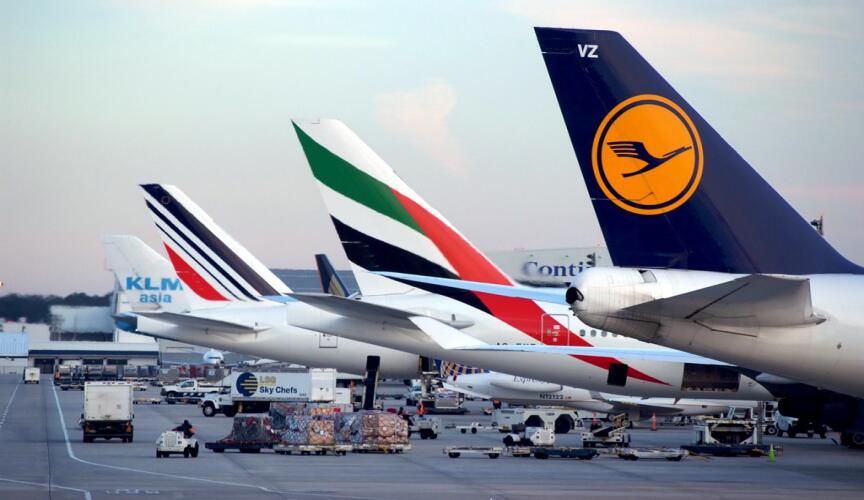
You don’t have to fly business class with just one airline. In fact, some of the best fares can be created by booking multiple airlines in one itinerary or even two separate tickets together.
But there is a smart way to do it. And there’s a dangerous way.
By understanding how airlines cooperate with each other behind the scenes, you can access better routes, better seats, and oftentimes significantly lower prices without compromising comfort.
Why Booking Multiple Airlines Can Lower the Price
Every airline prices routes differently.
One may have the best prices for long haul flights while another is cheaper for connecting routes. By combining them together, you can avoid being limited to just one.
It can also save you real money.
Some booking data suggests that mixing airlines on one itinerary can save you 20–50% on premium cabin prices when compared to mixing the cost of two round-trip fares separately.
Here’s a simple example:
- Airline A: expensive long-haul flight in business class
- Airline B: cheap regional connecting flight
- Combine them to lower the total price
Mixing and matching airlines also opens up more routes and better timings since carriers will often specialize by region.
How Airlines Can Be Mixed Together
To successfully book flights on multiple airlines, you first need to know how they can be combined.
- Booking 1 ticket (safest option)
- Book multiple airlines under 1 itinerary
Airlines have agreements with each other that allow for this to happen seamlessly. Two main programs allow for this:
- Interline agreements
- Codeshare agreements
Interline agreements let two airlines “handle” your itinerary together. This means your bags can be checked all the way through and airlines will recognize your ticket on each others flights.
Codeshare agreements let airlines sell seats on another carrier’s flight as if they were their own.
This means:
- You only have 1 booking reference code
- Bags checked through to your final destination
- Protection if your first flight is delayed or canceled
When booked properly, it’s seamless from a customer perspective. Even though you could be flying multiple airlines, it’ll feel like flying one.
The Easiest Way to Mix Is Flying with an Airline Alliance
Airline alliances are big coalitions between airlines that allow for even easier combinations.
There are 3 major global airline alliances. They connect routes, pricing and loyalty programs between members to allow for unified multi-airline itineraries.
Advantages for travelers include:
- Shared frequent flyer bonuses
- Coordinated flight times
- Easier connections between airlines in the same alliance
You may book a flight:
- On 1 airline to cross an ocean
- Then connect to a flight within the region on another airline
- All on one ticket
Airline alliances are by far the easiest way to book interconnected business class flights.
Cheapest but Trickiest Is Booking 2 Separate Tickets
And now for the fun part. This is where people start to game the system.
Instead of booking 1 ticket, you book 1 long-haul flight in business class and a separate regional flight or connection.
This has the potential to cut costs way down. However, there is a catch.
If you book separate tickets, airlines do NOT accept responsibility for each other.
And this means:
- If your first flight is late, the next airline isn’t required to help you
- You may have to collect your bags and re-check them
- You may need to clear security again
This tactic is common enough among frequent flyers. And it can really work. But should be left to the experienced.
Booking flights on multiple airlines step-by-step
If your goal is maximum comfort for the lowest price, this is a great strategy to follow.
Step 1: Start with your long-haul flight
Let’s say you want to fly from Europe to the US.
Prices for long-haul business class flights will make up the majority of your cost. So you should book that first.
Look for:
- Cheapest business class flight for the long-haul portion of your trip
- Alternative departure airports if necessary
Step 2: Build your journey around your flight
Now that you have your flight, start looking around it:
- Nearby connecting flights
- Airports nearby your destination
- Alternative carriers within the region
Sometimes separate flights can actually be cheaper than booking a flight with a connection directly through the airline.
Step 3: Confirm if it’s one ticket or not
Here’s where the real work begins.
It's all pretty simple:
- One ticket is great! You’re covered, continue to the next step
- In case of separate tickets, proceed with caution
Experience has taught us that you should ALWAYS allow 2-3 hours for connections between flights on separate tickets.
Why? Because if the first flight is delayed, you’ll need that extra time to get to your next flight (with little to no help from the airline).
Step 4: Look for hidden tricks
Believe it or not, sometimes flights that appear connected aren’t.
Visually they may appear on “1 itinerary” on some booking websites, but are actually booked as 2 separate reservations. When this happens, bags and protection may not transfer.
Here’s what you should look for:
- One booking number (PNR)
- Baggage transfer information
- Operating airline vs marketing airline
Avoiding common booking mistakes
Booking separate airlines can be great, but avoid the mistakes listed below.
Mistake 1: Booking separate tickets for short connections
Leaves too little time for mistakes.
If your first flight is late, your connection is gone and you’re on your own.
Mistake 2: Not knowing your baggage policy
All airlines do not automatically transfer bags between each other.
Make sure your flights have what’s called an “interline agreement”.
If they don’t you may have to:
- Collect your bags from the first flight
- Re-check bags at next airline
- Go through security again
Mistake 3: Never check who the operating airline is
“The marketing airline you book with may not be the airline you actually fly.”
When booking separate tickets, you’ll often see flights sold by one airline but operated by another.
Why does this matter?
Seat quality can vary greatly depending on the operating airline.
You may think you’re flying a certain brand of business class only to find out your ticket was sold by an alliance partner with an inferior product.
Mistake 4: Making the itinerary too complicated
Adding more airlines to your itinerary means more chances for things to go wrong.
Only mix and match flights if the prices are significantly better.
When Does Booking Separate Airlines Make Sense?
There are three main scenarios where booking separate airlines is advantageous:
- Long-haul business class flights
- You have flexible routes or airports
- You want to save money while maximizing comfort
It’s especially helpful when:
- Flying Europe-USA round trip
- Booking multi-city itineraries
- Visiting less direct destinations
Did you know that in some cases, it can even let you book premium cabin itineraries that wouldn’t otherwise be available if you were to only book on a single airline?
How Travel Business Class can help you book multi-airline trips
Building the perfect multi-airline itinerary isn’t always easy.
You’re working around:
- Incompatible airline programs
- Mispricing
- Complex ticketing rules
That’s why using a service like Travel Business Class can help.
Rather than comparing flight combinations yourself, you get:
- Negotiated prices across all major airlines
- Expert-built itineraries on one ticket whenever possible
- Advice on when to book separate tickets (and avoid them when not)
- Insight on how to choose the best business class experience (not just the lowest price)
Most importantly, it limits your risk of booking a “cheap” itinerary that can end up costing you more if something goes wrong.
Conclusion
Booking multiple airlines for one business class journey is one of the best ways to lower your cost while still traveling comfortably.
Just know the difference between:
- Booking 1 ticket is safe. Airlines have agreements with each other.
- Booking separate tickets is risky. You’re basically on your own unless you plan accordingly.
Used wisely, booking two different airlines for one journey allows you to:
- Find better prices
- Unlock hidden routes
- Have more control over your itinerary
Used incorrectly, you could end up missing flights, paying extra fees, and stressing yourself out needlessly.
That’s why many travelers prefer to let experts like Travel Business Class take care of booking their itineraries correctly.
After all, when you’re traveling in business class, your goal isn’t just saving money.
You’re trying to arrive at your destination rested, on time, and without headaches.