How Aircraft Changes Can Quietly Ruin (or Upgrade) Your Business Class Experience
Business class should be the sweet spot of flying, a blend of extra space, better service, lie flat seats on long hauls, and peace of mind at 30,000 feet, all at a premium price. So you book a business class ticket, sit back, and assume you will get that experience, from check in to off ramp.
But that is not always the case.
Few flyers realize this secret until it happens to them. The aircraft can change and with it, your entire flight experience. And those changes are often made without your knowledge or consent. Instead, you are left to deal with the consequences, on your own, with an airplane and a product that is subtly, or sometimes not so subtly different.
How does that work? How can it happen?
It is time to break this down, so next time you book business class you are informed, prepared and maybe even a little smarter about how to avoid disappointments, or even spot upgrades.
1. What Does “Aircraft Change” Really Mean?
Airlines book aircraft, specific types and configurations of aircraft for flights weeks or months, even a year in advance. However, airlines sometimes need to swap one type of plane for another. Maybe the aircraft they booked develops a mechanical problem. Maybe their flight is canceled, but they do not have the crew to operate the same type of plane on your next flight. Or maybe it is as simple as they changed their minds about how many people will fly on your flight next month.
This happens. It is an operational necessity, and usually happens without a good explanation, to the passengers.
What can happen when an aircraft is swapped out?
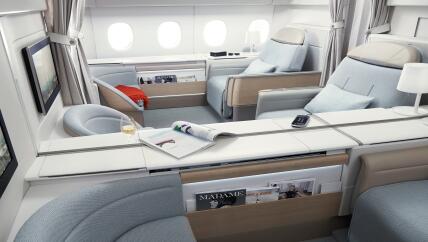
Well, the new aircraft might have a different business class cabin, completely. They might have a different type of seat, a different layout, different privacy, different amenities.
Sometimes, the new plane has fewer business class seats, which means the airline may bump people, or reassign seats.
In the extreme, sometimes the replacement aircraft may not even have business class at all. No lie flat seats, not even close. This mostly happens on regional or feeder flights, where smaller jets are substituted last minute for larger planes.
The point is, when you buy a business class ticket it does not always guarantee you will get the same type of business class experience that you thought you bought.
2. Real Traveler Experiences: When Business Class Goes Wrong
Travelers experience this problem all the time.
For example, it is easy for business class travelers to experience the dreaded downgrade after an aircraft change. A traveler books a flight with a lie flat seat on a specific aircraft. Weeks before the flight, that plane is swapped out, and the new aircraft does not offer the same seat. Now your business class seat has fewer features, less privacy, a seat that reclines instead of flattens.
In extreme cases, travelers have booked thousands for business class seats on long haul flights and arrive at the airport only to be told they were upgraded to economy. The problem is simple, the replacement aircraft has fewer business class seats and someone has to lose out.
Business class upgrades can also become premium economy downgrades, when the business class ticket gets you on an older aircraft. The business class seat on that plane may be dated, not recline as far, have a broken entertainment system, or an otherwise tired cabin interior. On paper it is still business class. In reality, it may feel more like premium economy.
Aircraft changes often result in seat reshuffling, even if the cabin itself remains at business class. Travelers complain they lose window or aisle seats they chose weeks before, end up farther back from the front of the cabin, or placed near high traffic areas such as galleys or lavatories.
3. Why Airlines Change Aircraft in the First Place
Aircraft changes do not happen at random, and passengers almost never receive a clear, or friendly explanation.
The top reasons are these:
- Maintenance issues: a plane scheduled for a flight may develop a technical issue or require maintenance, and have to be replaced.
- Crew logistics: in some cases the problem is not the plane, but the crew needed for that plane type.
- Capacity adjustments: if demand changes or a connection on a flight is full, the airline may swap aircraft size to better fit the need.
- Fleet management decisions: airlines prefer to reduce complexity by operating fewer aircraft types, which can lead to unexpected substitutions when flight schedules are built.
None of these are malicious or intended to upset passengers. But they also do not prioritize the comfort of passengers when making these decisions. The result is travelers hear about these changes after the experience they booked is no longer available.
4. When Aircraft Changes Actually Work in Your Favor
The next secret, sometimes, an aircraft change can be a very good thing for a business class passenger.
Rarely, but it happens, the airline will swap a plane for one with a better business class product than you originally booked. It can happen with little to no fanfare, and without announcement.
The result is the flight turns out to be an upgrade.
- You end up with a more modern lie flat seat, a direct aisle access seat.
- A sharper, larger entertainment screen.
- Better lighting, a quieter cabin, or improved air circulation.
- More storage, privacy, and a seat you feel better about.
Some travelers find at boarding, they are on a newly refurbished aircraft, with upgraded seating and a far superior cabin atmosphere than they expected. The result can be a flight experience that feels much more premium than you ever thought possible, without spending any more money.
5. How Aircraft Changes Affect Price and Perceived Value
The decisions airlines make about aircraft are also financial decisions. They also have a direct effect on the price of business class, and its perceived value.
Business class seats take up far more space on an aircraft than economy seats. To outfit an aircraft with a modern, premium cabin costs an airline millions. They have to recover that investment through pricing and demand.
This is a few realities travelers should know:
- Flights flown by newer, more recently outfitted aircraft with modern business class cabins often cost more.
- Routes operated with older aircraft are often cheaper, but the comfort and quality level is lower.
- The value of what you pay for can change with an aircraft swap, even when the ticket price remains the same.
This is why an unexpected aircraft change can feel like a hidden downgrade, you paid for a level of comfort and received another.
6. How to Protect Yourself From Unpleasant Surprises
Business class travelers get wise. They build habits into their planning to reduce surprises.
First, always check the type of aircraft before booking. All business class cabins are not equal, even on the same airline.
Second, always check back on your booking, even after you book. Airlines change aircraft assignments regularly, and you may never see a clear notification.
Third, if you spot a change, always contact the airline. Chances are, alternative flights with better aircraft may exist, especially if the change is recent.
Finally, use seat maps and comfort guides to better understand what each aircraft offers. Seat location matters, knowing where galleys, lavatories, and bulkheads are can make a huge comfort difference.
7. Why Travelers Still Choose Business Class
Despite the risk, most travelers still view business class as worth it, when it works out.
The benefits are obvious:
- Roomy seats that allow you to rest on long flights
- Priority check in, security, and boarding
- Airport lounge access
- Better food, drinks, and service
- A quieter, more comfortable cabin
On the right aircraft, business class offers all the comfort and efficiency travelers are willing to pay for. It can make the journey itself matter as much as the destination.
How TravelBusinessClass.com Can Help
Travel Business Class is designed to help.
Travelers can stop guessing by using this platform to:
- Compare business class cabins between airlines, and aircraft types
- Review seat layouts, and learn the real differences in comfort between them
- Spot better value, not just higher prices when it comes to flights and seat choices
It is not about finding the most expensive ticket, it is about helping you identify the right seat, on the right aircraft, so your business class experience matches your expectations.
Conclusion
A business class ticket is not a fixed product. It is a combination of aircraft, cabin design, seat configuration and airline decisions. Those variables can change at the last minute.
Aircraft changes can quietly ruin a flight, downgrading your comfort, without notice, or just as quietly upgrade your flight by putting you on a better plane. The difference is often how informed you are before boarding.
By paying attention to the aircraft type, and using information from TravelBusinessClass.com travelers can reduce surprises and risk, protect their investment, and enjoy business class how it is meant to be enjoyed.
Travel Business Class can help make that possible by taking hidden details and turning them into clear, useful information, that works in your favor.